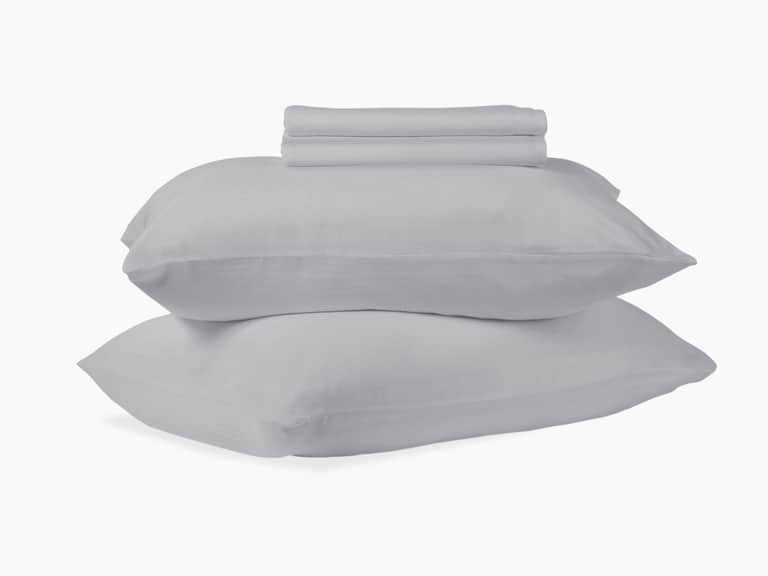
American Leather® Comfort Sleeper Flat Sheet

Understanding Dunlop vs. Talalay: How Latex Mattress Cushions Influence Comfort and Longevity

A careful, nuanced examination of two dominant latex manufacturing methods—Dunlop and Talalay—tells a broader story about how materials science shapes sleep. From back sleepers to side sleepers, from the science lab to the bedroom, this article unfolds the texture of latex, its history, and what matters when you choose a latex-based mattress or topper.

Latex has long perched at the intersection of comfort and chemistry. When you lie down on a latex mattress or topper, you are not merely resting; you are engaging with a carefully engineered landscape of density, elasticity, and airflow. The Dunlop process tends to produce a denser core with a robust, grounded feel, a kind of pillow that asserts its presence through quiet, enduring support. Talalay, by contrast, often yields a lighter, more uniform layer, a buoyant contouring that answers the demand for a softer, more breathable experience. These are not mere preferences; they are reflections of how a material distributes pressure, manages heat, and maintains its shape over time.

To understand why this matters, imagine the way a chair supports your spine. A chair that’s too rigid or too soft creates imbalances that ripple through your hips, shoulders, and neck. Latex works similarly. The Dunlop method can feel like a solid, continuous block—excellent for heavy sleepers and those seeking reliable alignment. Talalay, with its aerated, micro-bubble structure, offers a cradling yet resilient sensation that can benefit lighter sleepers and those who favor contouring without sacrificing support. The right choice, then, hinges on sleep position, body weight, temperature preferences, and personal comfort history.

What follows is a practical guide—part glossary, part field manual—for anyone navigating the latex landscape. We’ll compare the production trails, examine firmness ranges, discuss allergy considerations, and reference sleep science that bears on comfort and longevity. The narrative borrows the calm, investigative cadence of a New Yorker feature, weaving historical context with contemporary consumer realities.
Key distinctions at a glance
  • Denser core, firmer overall feel; often longer-lasting; ideal for people who sleep on their back or stomach and prefer robust spinal support.
  • Talalay: Lighter, more uniform cell structure; greater contouring with pronounced pressure relief; tends to stay cooler for many sleepers.
  • Both can be natural or synthetic; real-world performance depends on latex purity, density, and ILD (indentation load deflection).

A brief history of latex in bedding

The use of natural latex in sleep surfaces emerged from a mid-20th-century convergence of rubber extraction traditions and the postwar fascination with ergonomics. Early foams and latex products rewarded sleepers with resilience and buoyancy, laying the groundwork for a category that would outlive fashion and trend. The Dunlop process was the original method—an organic, dense cure that yields a heavier core. Talalay arrived later as a refinement: a multi-step process that introduces a staged vacuum and flash-freezing to create a more uniform and airy cell structure. Over decades, brands experimented with blends, certifications, and inert additives, all aimed at balancing support with breathability and durability.

Today, the Dunlop vs. Talalay debate circulates in a familiar way: with consumer caution, technical curiosity, and a growing appetite for materials transparency. Latex-based bedding remains a proving ground for how a material can adapt to diverse sleep needs—from the back sleeper who wants a stable, firm baseline to the side sleeper who seeks a cushiony yet responsive surface that respects the shoulders and hips. The conversation also loops in health and allergy considerations, as some sleepers fear latex or latex blends might provoke sensitivities. In truth, many latex products are designed with hypoallergenic, non-toxic standards, and the allergenic potential in bedding is typically associated with other materials or additives rather than latex itself.

Direct, practical guidance for choosing

When weighing Dunlop against Talalay, a few practical questions help shape the decision. First, consider firmness ranges. Dunlop excels at firmer, more supportive surfaces, which many heavier individuals, back sleepers, and people with a preference for a stable spine appreciate. Talalay, with its lighter, more contouring feel, often benefits lighter sleepers and those who enjoy a softer initial touch but still require consistent support beneath. Second, think about temperature regulation. Talalay’s porous cell structure can promote better airflow, potentially reducing heat buildup in warm climates or for warm sleepers. Third, assess durability and motion transfer. Dunlop’s denser composition tends to resist sagging over time; Talalay’s even blend can offer long-lived resilience with a different contour profile. Finally, certifications and material purity matter. Look for natural or certified latex, non-toxic foams, and clear labelling of Dunlop vs. Talalay, density, and ILD values.

In the end, the best choice is a personal negotiation between sensation, longevity, and sleep context. The market now offers a spectrum of latex products, from solid cores to shredded blends and hybrid constructions, each with its own equilibrium of feel and performance. Your goal is to map your body’s needs to the product’s design language, then test it through a trial period and verify care guidelines to ensure that your investment ages well.

Allergy, care, and longevity considerations

Allergy considerations in latex bedding are often misunderstood. Most modern latex foams are produced to minimize allergen risks and may be treated to resist dust mites and microbial growth. If allergies are a concern, seek products with clear certifications, such as OEKO-TEX or GOTS, and consider natural or blended latex that excludes synthetic fillers. Routine care—rotating the mattress, using a breathable cover, and avoiding direct sunlight exposure—extends comfort and structural integrity. Cleaning guidelines vary by cover materials and the latex’s own construction, so always follow the manufacturer’s recommendations for spot cleaning and protection. With conscientious care, a latex surface can maintain its shape, contour, and protective edge for many years of restful sleep.

In our longer arc of sleep science, the core truth remains simple: a surface that respects your body’s geometry, breathes well, and retains its supportive geometry over time translates into fewer mid-night adjustments, less pressure pain, and deeper, more restorative sleep. The Dunlop vs. Talalay distinction is one axis in a broader field—an axis that designers and sleepers alike can navigate with a careful map of personal comfort and lifestyle realities.

Three key figures across time who shaped our thinking about comfort

From the early pioneers who studied the nervous system to contemporary engineers who translate science into bedside realities, three figures exemplify how the search for better sleep has traveled across eras.

  • Hippocrates (c. 460–370 BCE) — Ancient roots of sleep and posture
    Long before latex, the ancients were already weighing posture and rest as essential to health. Hippocrates, the father of medicine, extolled the virtues of sleep and quiet in relation to restorative processes. While not a latex figure in the literal sense, his insistence on balance—between rest and activity, between firmness and support—frames the discipline that later translated into modern ergonomics and the material science of bedding.
  • John Dalton (1766–1844) — The era of precise measurement
    Dalton’s era introduced rigorous inquiry into matter and materials. In the context of sleep, the impulse to measure density, resilience, and compressive response becomes the philosophical bedrock for evaluating latex’s properties. Even if Dalton never tested a latex mattress, his spirit—precision, objectivity, and the insistence on reproducible results—echoes in the way modern mattresses are tested for ILD, density, and stability.
  • Amelia Earhart (1897–1939) — Modern experimentation and boundary-pushing design
    Earhart embodies the push beyond known limits—an ethos that resonates with the latex industry’s ongoing experimentation: durable, high-performance materials that also respect comfort and safety. Her example—risk, curiosity, method—parallels the approach of designers who push latex into new configurations: shredded fills, blends with Tencel, and layered constructions that aim for cooler sleep, better contouring, and longer life.

These figures remind us that the search for better sleep has always pulled from a cross-disciplinary well: medicine, engineering, design, and even the daring of pioneers who tested unknown horizons. In the context of latex, the lineage is about translating a natural material into a humane, sleep-inducing surface—one that sits at the confluence of science, craft, and personal experience.

A practical, living framework: how to read a Dunlop vs. Talalay product page

When you encounter a product page, read for these key signals: the stated manufacturing method (Dunlop or Talalay), the density, the ILD, and any blend information. Check for the type of latex (natural vs. synthetic), the presence of additives, and the certification ecosystem. If a sheet shows a “density” of 4–6 pounds per cubic foot and an ILD in a medium range, expect a contour that’s supportive without rigidity. If a page mentions a shredded latex blend, anticipate a lighter feel with adjustable loft. Finally, look for warranty length and return policies—these often signal how confident a brand is about the long-term performance of the material.

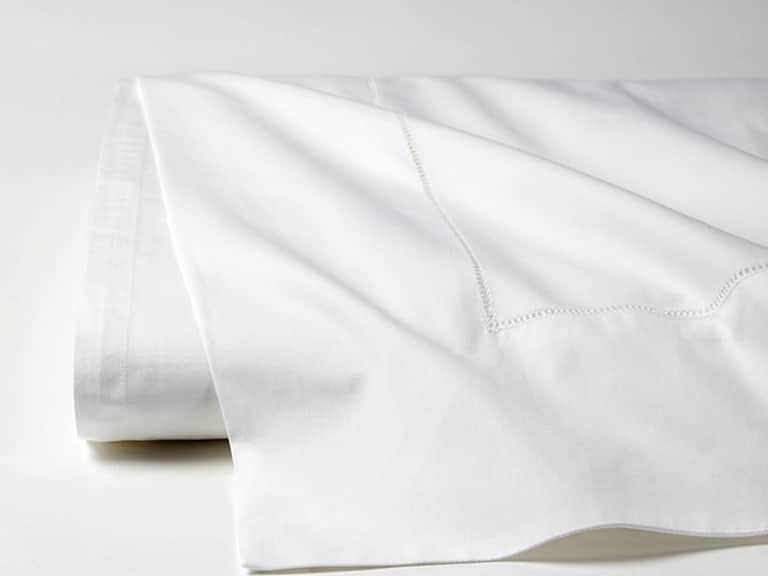
To illustrate, consider a reputable flat sheet in a bedding ecosystem. A product like the American Leather Comfort Sleeper Flat Sheet, Italian-crafted from 100% long-staple cotton percale and finished with a hemstitch, serves as a reminder that the surface you lie on is part of a larger system. The sheet integrates with a latex surface in terms of breathability and layer compatibility. While the sheet itself is not latex, its performance—cooling, softness, and ease of care—complements latex-based cores and toppers. The product example below is provided to orient readers to a tangible, real-world reference point while staying true to the educational focus of mattress materials.

Selected product example from the latexbed.net ecosystem: American Leather Comfort Sleeper Flat Sheet — An Italian-crafted flat sheet made from 100% long-staple cotton percale, piece-dyed with a hemstitch. This sheet represents the textile layer that can work with latex-based cores to support breathability and a refined sleep environment.

Product: American Leather Comfort Sleeper Flat Sheet

Italy-made, 100% long-staple cotton percale, hemstitch detail, fits Comfort Sleep Sofas.

Note: The sheet is textile, not latex. It demonstrates how latex-based sleep systems are embedded in a broader bedding ecosystem that includes textiles designed for breathability and comfort.

In sum, reading product pages with an eye toward Dunlop vs. Talalay means focusing on feel, durability, and how each layer contributes to a sleeper’s temperature regulation and spinal alignment. The right combination—latex core, breathable covers, and compatible textiles—creates a sleep envelope that performs across seasons and life’s changing rhythms.

Conclusion: a disciplined, humane approach to latex bedding

Latex, in its Dunlop and Talalay incarnations, is a case study in modern material science meeting intimate human needs. It invites us to balance the mathematics of density and air flow with the poetry of a night’s rest. This article proposed a framework for understanding, comparing, and selecting latex products through a practical lens and a historical imagination. The goal is not merely to pick a mattress; it is to curate a sleep experience—one that respects the body’s geometry, acknowledges the environmental and ethical questions surrounding materials, and honors the quiet, daily work of simply getting a good night’s sleep.

As the sleep sciences evolve and bedding brands experiment with new blends, the enduring insight is simple: the most effective sleep surfaces are those that listen to the body and respond with a balance of support, contour, and breathability. Dunlop and Talalay each offer a path toward that balance. The best path for you depends on your position, your weight, your climate, and your personal history with comfort. In that sense, the latex bed is not a single product but a living conversation about how we rest, recover, and rise into the day.

Glossary and further reading

  • — Denser, often heavier latex produced through a single pouring process; typically provides firmer support.
  • Talalay latex — Lighter, more uniform latex, produced with a multi-step process that includes vacuum and flash-freezing for a more breathable structure.
  • ILD — Indentation Load Deflection; a measure of firmness in foams and latex products.
  • Density — The mass per unit volume; a proxy for durability and support in latex cores.
  • Certification — OEKO-TEX, GOTS, and similar labels indicating safety, environmental, and health standards.

Note: The analysis above draws from the general characteristics of Dunlop vs. Talalay latex processing and the broader bedding ecosystem, including textiles that complement latex-based cores. The product reference included is the American Leather Comfort Sleeper Flat Sheet (3340), illustrating how textile components interface with latex systems in real-world bedding environments.

Product image placeholder
American Leather Comfort Sleeper Flat Sheet (3340)

Italian-crafted flat sheet in 100% long-staple cotton percale, piece-dyed with a hemstitch and a 3.5 inch cuff. A textile layer that coordinates with latex-based sleep systems for a refined, breathable bed ensemble.

Price: 147.00

Related Products

American Leather® Comfort Sleeper Flat Sheet

Sferra

American Leather® Comfort Sleeper Flat Sheet

Experience crisp, cool comfort with this Italian-made cotton percale flat sheet—perfectly tailored for American Leather Comfort Sleep Sofas. Soft, breathable, durable, and easy to care for, it drapes neatly with secure cuffs for a clean, luxe fit.
Vispring Elite

Vispring · No. COVSMELT

Vispring Elite

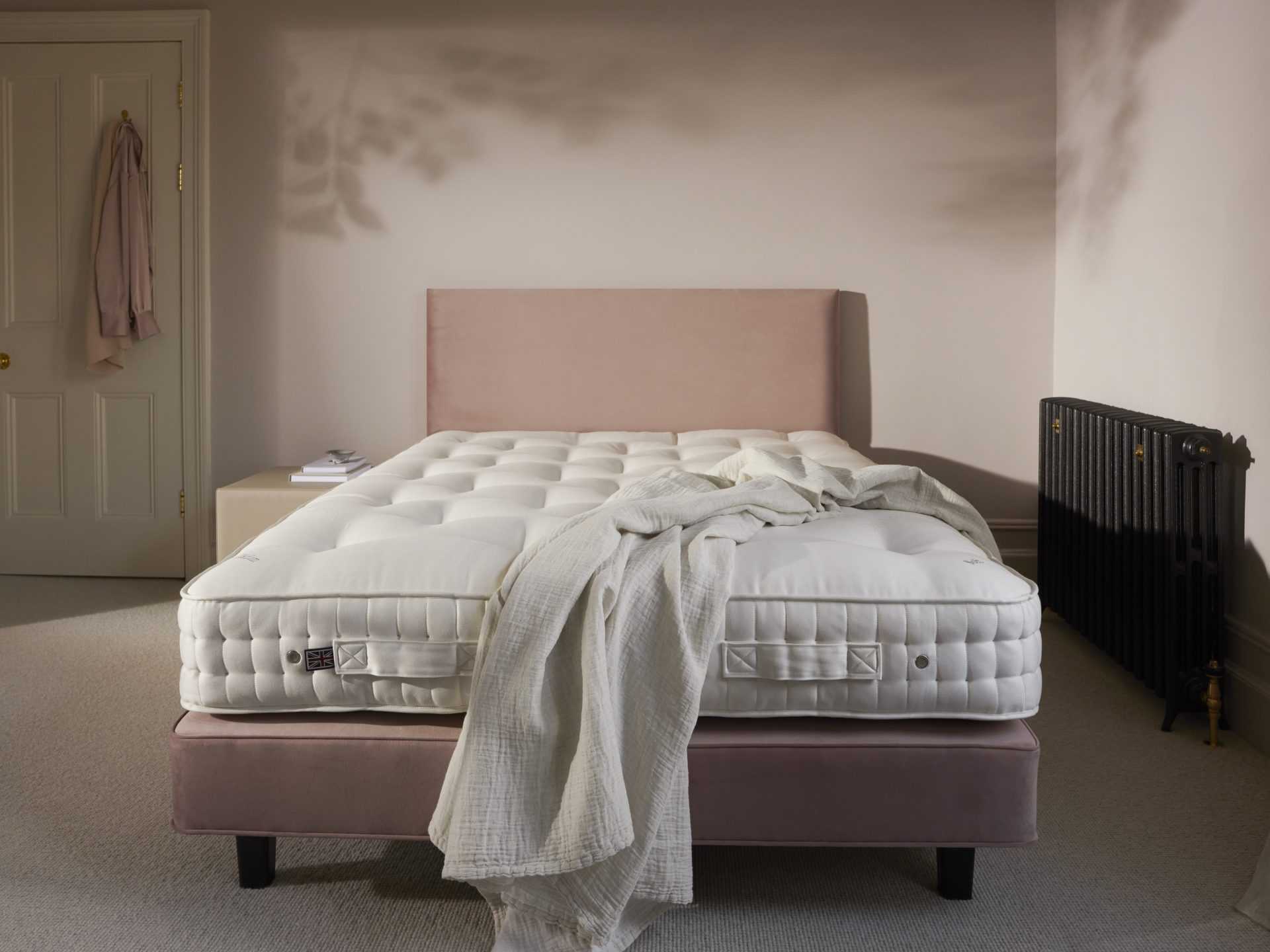
Experience targeted support and dry, comfy nights: independent springs reduce motion transfer while wool layers wick moisture, keeping you cool and fresh from edge to edge. Durable, edge-to-edge comfort you can feel day after day.
Hyperlite Sheet Set

Casper

Hyperlite Sheet Set

Sleep cooler all night with lightweight TENCEL Lyocell sheets. Grid weave boosts airflow for a breathable, soft, low-profile feel you’ll notice as you drift off and stay comfy till morning.

Theme